 tp官方下载安卓最新版本-tp官方网站/安卓通用版/2024最新版-tp(TPWallet)官网|你的通用数字钱包 - tp官方下载安卓最新版本2024
tp官方下载安卓最新版本-tp官方网站/安卓通用版/2024最新版-tp(TPWallet)官网|你的通用数字钱包 - tp官方下载安卓最新版本2024
tp官方下载安卓最新版本-tp官方网站/安卓通用版/2024最新版-tp(TPWallet)官网|你的通用数字钱包 - tp官方下载安卓最新版本2024
Navigating the Digital Finance Frontier: Balancing Asset Allocation and Cutting-Edge Innovations
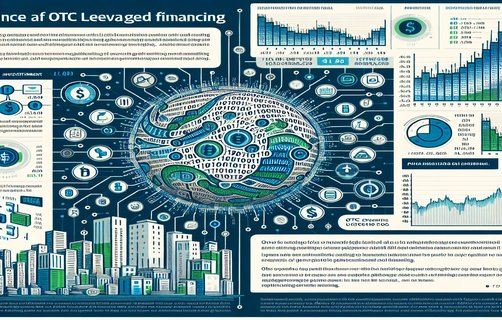
In today's dynamic financial landscape, the challenges of accessing digital wallets, such as experiencing balance loading failures in TP wallets, serve as a mirror reflecting broader issues in the integration of technology and finance. As more individuals and businesses pivot towards digital finance, understanding and addressing these technological pitfalls is essential for the strategic allocation of assets in a highly volatile environment.
Asset allocation strategies have long been recognized as foundational to effective investment management. They guide investors in distributing their capital across various asset classes to optimize returns while mitigating risk (Markowitz, 1952). However, the increasing commodification of digital assets demands innovative strategies that encompass both traditional finance principles and insights derived from cutting-edge technological advancements.
The innovative technology transformation within finance has seen a surge in the adoption of high-frequency trading, where algorithms and artificial intelligence can execute orders within milliseconds, vastly outperforming human traders. This sophistication not only underscores the necessity for advanced statistical techniques and real-time data analytics but also raises significant questions regarding market liquidity and volatility. Research indicates that high-frequency trading constitutes a substantial percentage of market activities, with estimates of around 50% of equity trading volume in the U.S. markets (SEC, 2010). Such rapid movements necessitate a proactive approach to asset allocation, where anticipation of market changes can dictate success or failure.
Moreover, the development of smart contracts and their role in automating transactions marks another critical intersection between innovation and finance. Smart contracts, self-executing contracts with the terms directly written into code, promise to streamline transactions and improve efficiency while reducing costs associated with intermediaries (Buterin, 2013). The potential for securing agreements through blockchain technology not only enhances transparency but also necessitates reconsideration of compliance frameworks and regulatory oversight, presenting both opportunities and risks for asset managers.
Emerging technologies such as biometric recognition are further revolutionizing client onboarding processes and identity verification, appealing to security-conscious investors. Research from the International Data Corporation (IDC) suggests that the global biometric market is expected to grow significantly, with projected values reaching nearly $50 billion by 2024 (IDC, 2020). Such technologies could impact investor confidence and trust, attributing an essential role in asset allocation decisions.
Equally significant is the integration of information technology innovations into trading strategies, with firms harnessing AI and machine learning to analyze market trends, optimize asset allocation, and predict stock performance with remarkable accuracy. As the pace of innovation accelerates, investors must adapt their strategies to leverage these tools while being aware of the ethical implications and compliance requirements.
As we explore the future of finance amidst these technological evolutions, the implications for asset allocation strategies remain profound. What adjustments are necessary for traditional investors in adapting their asset behaviors? How will those integrating biometric and smart contract technologies find balance in strategy and functionality? Are we prepared for the regulatory challenges that lie ahead as financial technologies continue to evolve?
To optimize our understanding, interactions are encouraged: What aspects of digital asset management intrigue you most? How do you perceive the impact of high-frequency trading on traditional investing? What innovations do you believe will most significantly alter the landscape of asset allocation?
FAQs:
1. What should I do if my TP wallet balance fails to load?

2. How can I efficiently allocate assets in a volatile digital market?
3. What are the main advantages of using smart contracts in financial transactions?
相关阅读
评论